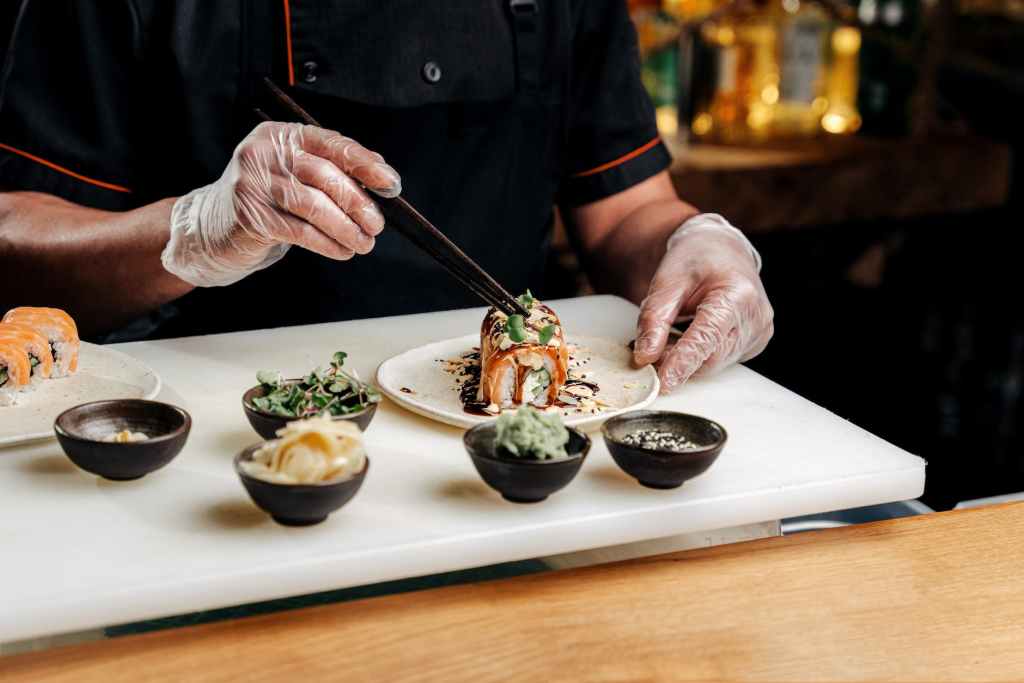
The Legacy of Sushi
Step into the world of sushi, a culinary treasure that traces its roots back to ancient Japan. With a history dating back over a thousand years, sushi is more than a meal; it is a cultural legacy woven into the fabric of Japanese gastronomy.
The origins of sushi are deeply intertwined with the need for preservation in an era without refrigeration. In its earliest form, sushi was a means of fermenting fish with rice, allowing for safe consumption over time. This ingenious method evolved into the traditional “nare-zushi,” where fish and rice were aged together, imparting a unique umami flavor.
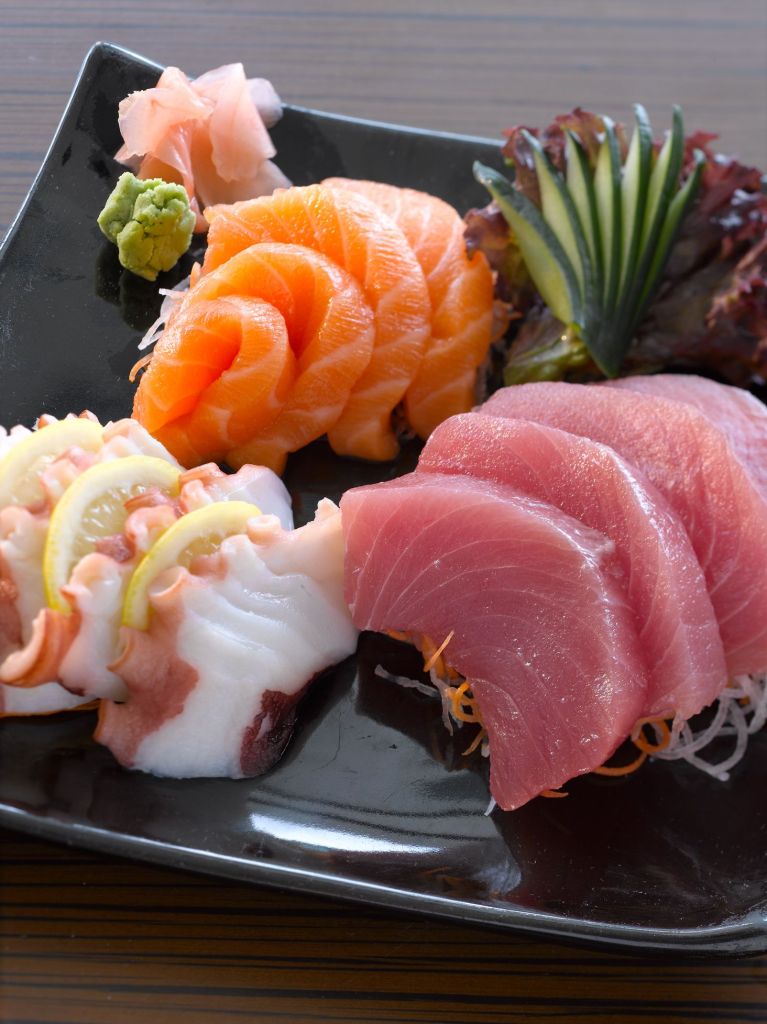
As centuries passed, sushi underwent a transformation, with the emergence of “nigiri-zushi” – the iconic hand-pressed sushi we know today. Delicate slices of raw fish draped over a small mound of vinegared rice, perfected by skilled sushi artisans. Another variation, “sashimi,” features fresh slices of raw fish without rice, showcasing the pure essence of the seafood.
Beyond the flavors, sushi embodies a deeper cultural significance, symbolizing the values of precision, balance, and respect for nature. It is an art form that delights the senses and connects diners to the essence of Japanese traditions. Join us on this journey of sushi’s origins and immerse yourself in the rich legacy of this extraordinary culinary gem.

A Taste of Tradition: Classic Nigiri and Sashimi
Nigiri and sashimi stand as the quintessential embodiments of traditional sushi, showcasing the essence of pristine ingredients and expert craftsmanship. Nigiri, meaning “two fingers” in Japanese, features a delicate slice of raw fish draped over a hand-formed bed of vinegared rice. Each piece is a work of art, meticulously prepared by sushi chefs with years of experience.
The key to exceptional nigiri lies in the harmonious balance between the fish and rice, where neither overpowers the other. The chef’s skill in molding the rice and choosing the freshest fish ensures a taste that delights the palate. From buttery toro to delicate hamachi, every bite is an ode to the ocean’s bounty.
Sashimi, on the other hand, strips away the rice, allowing the pure flavors of the fish to shine. Served with wasabi and soy sauce for dipping, sashimi embodies simplicity and elegance. Each slice reveals the natural essence of the seafood, a testament to the high regard for freshness and quality in Japanese culinary traditions.
Delight your senses with a journey through classic nigiri and sashimi, where time-honored techniques and the finest ingredients create a symphony of flavors that celebrate the art of sushi in its purest form.
Beyond the Basics: Exploring Maki and Temaki
As sushi continued to evolve, the creation of maki and temaki introduced exciting possibilities for culinary innovation. Maki, meaning “rolled sushi,” features a combination of fish, vegetables, and rice wrapped in a sheet of nori seaweed and sliced into delectable bite-sized pieces.
Maki opened the door to creative flavor combinations, giving birth to iconic rolls like the California Roll and Dragon Roll. The inside-out roll, or uramaki, with rice on the outside, allows for a vibrant display of colorful ingredients, captivating both the eyes and the taste buds.
Temaki, known as “hand-rolled sushi,” offers a delightful interactive dining experience. Shaped like a cone, each temaki is a customizable masterpiece, where diners can fill it with their favorite ingredients and wrap it themselves. The fusion of textures and flavors makes temaki a fun and delicious option for sushi enthusiasts.
Beyond the traditional styles of nigiri and sashimi, maki and temaki showcase the playful side of sushi, inviting both chefs and diners to explore boundless culinary creativity. From elegant caterpillar rolls to spicy tuna delights, the world of maki and temaki welcomes all with open arms.


 Food & Snacks
Leave a comment